<!DOCTYPE html>
Why Mini Split Installation Is Growing in Picacho Hills Homes
Why Mini Split Installation Is Growing in Picacho Hills Homes
Homeowners across Picacho Hills, NM are shifting to ductless mini-split systems for precise comfort and lower energy use. The shift is practical. The mesa climate swings hard. Days run hot with intense solar gain. Evenings cool quickly on the ridge. Dust and wind move through the Chihuahua Desert and into the valley. The homes are large, with view windows, tall ceilings, and detached casitas. Many were built with evaporative coolers or undersized ducts. A mini-split meets these realities with control, zoning, and durability that fit the terrain.
Air Control Services services the 88007 community and nearby Las Cruces zip codes 88005 and 88011. As an HVAC contractor Picacho Hills NM homeowners call for high-desert comfort, the team has seen mini-split adoption rise across Coronado Ridge, Barcelona Ridge, Picacho Mountain, Butterfield Ridge, and The Fairways. The drivers are clear: better zoning, quiet operation, and high-efficiency cooling that handles dust and heat without constant repair calls.
The High-Desert Equation: Why Picacho Hills Leans Toward Ductless
Picacho Hills sits above the Mesilla Valley with direct exposure to sun and wind. The elevation changes how air density and refrigerant pressures behave. The load shifts fast as clouds pass or as the sun sets behind Picacho Peak. Large south- and west-facing glass panes collect heat in the afternoon. Even efficient central air conditioners can struggle to track that swing without oversizing. Oversizing leads to short cycling. Short cycling shortens compressor life, raises bills, and leaves rooms humid or uneven.
Mini-splits use inverter-driven compressors and variable-speed fans. They throttle to meet the exact load moment by moment. The system avoids hard on/off cycles and keeps coil temperature stable. That stability improves dehumidification during monsoon spikes and curbs frost risk on mild nights. Zoned indoor heads address the “hot loft, cold downstairs” pattern common in multi-level homes along the ridge. An owner can keep a glass-heavy great room at 74 while letting a guest suite drift to 78. That saves energy and feels natural in a home where occupancy shifts by hour and season.
Older houses near the Picacho Hills Country Club and up toward the Picacho Peak Recreation Area often have limited return paths and long duct runs in hot attics. High plenum temperatures waste energy. Air leaks pull dust and fiberglass fibers into supply air. By placing air handlers in the rooms they serve, mini-splits sidestep leaky ducts and cut static pressure headaches. That change alone can drop cooling costs 20 to 35 percent compared to a tired central system with attic ducts.
From Evaporative Cooler to Refrigerated Air: A Common Upgrade Path
Many Picacho Hills properties started with evaporative coolers. Swamp coolers work poorly during humid monsoon days and create indoor dust build-up from constant airflow. Owners who convert to refrigerated air expect year-round reliability and cleaner air. Mini-splits give a direct route to that goal without tearing up ceilings for new ducts.
On refrigerated air conversions, Air Control Services evaluates heat gain from glazing, roof color, and envelope leakage. The team then sizes one or more ductless zones to match real loads in the 88007 climate. Single-zone units tame a problem room. Multi-zone systems serve full homes with four to eight indoor air handlers. Many owners keep an existing gas furnace for cold snaps and add a ductless heat pump for everyday heating. That creates an efficient dual fuel system that runs the heat pump during cool mornings and the furnace during rare hard freezes.
Engineering Considerations That Matter on the Mesa
Dust, wind, and elevation shape installation details in Picacho Hills. A desert-optimized mini-split plan focuses on five needs: outdoor unit placement, line set routing, condensate management, filtration, and electrical capacity.
Outdoor units work best on the leeward side of the home with a clear rear discharge path. Mounting on a wall bracket above gravel prevents wind-blown debris from clogging condenser coils. Where wind channels between homes, a simple baffle reduces recirculation and protects against sandblasting. Technicians measure coil delta-T and static pressure after start-up to verify clear airflow. A fouled condenser raises head pressure and stresses the compressor. That is a common path to high energy bills and nuisance trips.
Line sets travel through stucco and sometimes through foam-backed walls. Proper flaring, torque control on flare nuts, and UV-resistant insulation keep the refrigerant circuit tight and stable. Expansion valves must meter well across a wide load range. On multi-zones, correct branch selection and line set length management prevent oil return issues and ensure each head reaches design capacity.
Condensate management looks simple in the desert but it still matters. Horizontal runs need slope. Condensate pumps must have service loops for easy swap-outs. Freeze protection is a consideration during clear winter nights. A brief heat cycle or drain line heat tape can prevent freeze-ups on exposed sections near Picacho Mountain elevations.
Filtration needs go beyond standard washable screens. High winds move fine particulates from the Rio Grande River corridors and the Mesilla Valley fields. Mini-split filters catch coarse dust, but homes with allergies do better when a whole-home indoor air quality plan adds MERV-rated filtration. Where a central system stays in service for heating, Air Control Services fits MERV 11 to MERV 13 air filters and verifies blower static to avoid choking airflow. In rooms with ductless heads, supplemental media filters or an in-room HEPA unit help during spring winds.
Electrical capacity is a frequent checkpoint in older properties near The Fairways and Butterfield Ridge. Many single-zone heads need a dedicated 240V circuit at the condensing unit. Multi-zone systems can draw 20 to 40 amps. An electrician confirms panel space, breaker sizing, and conductor gauge. Surge protection extends compressor life during lightning and line events along Interstate 10 corridors.
How Inverter Mini-Splits Reduce Failures Common in the Desert
On legacy systems, failed dual-run capacitors and worn blower motors trigger mid-summer breakdowns. Contactors pit from arcing. Heat exchangers in gas furnaces crack with age. Thermostat malfunction leads to short cycling and comfort complaints. Frozen evaporator coils occur when dust-clogged air filters and low airflow meet high load. Each issue shows up often in 88007 service tickets.
Mini-splits remove several failure points. They do not rely on big across-the-line starts that punish capacitors. They use soft-start inverter logic and brushless DC fan motors. Expansion valves meter refrigerant precisely. The compressor stays within a narrow operating envelope, so it runs cooler and lasts longer. During a monsoon humidity bump, the system can run lower coil temps to maintain setpoint without icing the coil. The control board monitors coil sensors and adjusts fan speeds to prevent frost. Those controls mean fewer emergency calls on 24/7 dispatch, especially during evening heat spikes after a sunny day over Las Cruces.
Cooling the Great Room Without Freezing the Bedrooms
Large Picacho Hills living rooms with two-story ceilings and view glass need targeted cooling. A single central thermostat in a hallway cannot see solar gain across that glass. A ductless wall cassette or a low-profile ceiling cassette in the great room handles that load locally. The bedrooms can use smaller heads or stay on the original ducted system. Zoning solves the central complaint from homeowners in Coronado Ridge: the west wing roasts while the master suite overcools.
Placement matters. In rooms with art or built-ins, a slim ducted mini-split air handler can hide above a closet and serve two small rooms through short trunks. In a media room, a floor-mounted console keeps airflow quiet and avoids drafts onto seating. A Mitsubishi Electric Zoned Pro system or a Daikin multi-zone platform gives the control range needed for these mixed loads. For whole-house ductless, Trane and Lennox offer high-efficiency outdoor units that pair well with stylish indoor heads.
Noise, Aesthetics, and Property Value
Noise levels matter in an upscale community. Modern ductless indoor units run at sound levels as low as the mid-20 dB range at low fan speed. Outdoor units can sit at the side yard without bothering a neighbor. Owners near the Picacho Hills Country Club appreciate the quiet during early tee times and evening patio dinners. Concealed line sets and paint-matched line hide trim maintain curb appeal. Where HOA rules apply, Air Control Services proposes placements that keep the outdoor footprint discreet and serviceable.
Resale value benefits come from documented energy use and brand recognition. Buyers respond well to names like Trane TruComfort, Mitsubishi Electric, Daikin, Carrier, Rheem, Goodman, and Lennox. Clear installation photos, serial logs, and commissioning reports help appraisers and buyers see quality. A buyer who understands the difference between a fixed-speed condenser and an inverter will assign real value to the upgrade.
Heating Performance on Cold Desert Nights
Winter in Picacho Hills brings cold, dry nights. Heat pumps in ductless systems handle most days with ease. At lower outdoor temperatures, capacity drops. Right sizing and proper defrost control keeps comfort steady. On larger homes near Barcelona Ridge, a hybrid plan can make sense. The ductless heat pump runs most of the season. The existing gas furnace fires during rare hard freezes or when guests fill the house. Controls can lock out the furnace above a set outdoor temperature to favor the heat pump’s higher efficiency.
Technicians verify defrost cycle timing during commissioning. Poorly set defrost can reduce comfort with cool supply air bursts. Proper sensor placement and manufacturer-recommended clearances prevent false frost signals. The team checks refrigerant weight with digital scales, verifies superheat and subcool targets, and records amp draws. The result is stable winter heat without guesswork.
Indoor Air Quality: Dust, Allergens, and MERV Strategy
Wind brings dust from the Mesilla Valley fields and the desert flats near Doña Ana and Fairacres. Mini-splits catch visible dust but do not replace a good IAQ plan. Homes with high allergy sensitivity use a two-layer approach. Ductless zones run on-board filters and UV-cleanable screens. Central systems keep a tight cabinet with MERV 11 to MERV 13 air filters. A tight return path and sealed ducts stop attic dust from entering supply air. For peak season, an in-room HEPA unit in the master suite adds another layer.
Short cycling hurts IAQ because it limits filter contact time. That is another place where inverter equipment helps. Steady low-speed operation keeps air moving across filtration media. It lowers particulate count and evens temperatures across open floor plans facing the Rio Grande River corridor winds.
Mini-Split vs Central: What Owners in 88007 Are Choosing
Both systems can work well when engineered and installed right. Mini-splits excel in zoning, part-load efficiency, and retrofit situations. Central systems shine in full-home uniformity when the ducts are tight and sized. Many Picacho Hills owners keep a strong central system in the core and add mini-splits to hard rooms like glass-heavy great rooms, exercise rooms over garages, and detached casitas.
Quick comparison for Picacho Hills homes
- Load tracking: Mini-splits modulate to match fast solar swings; central systems need careful sizing to avoid short cycling.
- Retrofit fit: Ductless heads avoid attic duct heat gain and wind-borne dust leaks common in older houses.
- Zoning: Room-by-room control makes guest rooms and casitas efficient without overcooling the main home.
- Noise: Inverter outdoor units run quiet for patio life near fairways and view decks.
- Aesthetics: Slim heads and concealed line sets protect sightlines; central systems keep ceilings clean if ducts are already sound.
Common Issues Air Control Services Solves During Mini-Split Calls
Service data across Picacho Hills shows repeat patterns. Dust-clogged filters cause frozen evaporator coils, especially after windy days along Interstate 10. A failed compressor or a refrigerant leak in condenser coils leads to air blowing warm. Faulty thermostats or improper set-up in smart thermostats cause short cycling in hybrid systems. Worn blower motors in legacy air handlers choke airflow and raise coil temps. Carbon monoxide leaks from old heat exchangers in gas furnaces appear during safety checks, prompting repairs or replacements.
On the parts level, technicians see weak capacitors and pitted contactors in older condensers. They test expansion valves for proper superheat, and they replace cracked whip conduits and weathered disconnects. They also correct wiring on torsion springs used in some fan assemblies where vibration can loosen hardware. While torsion springs are rare in most mini-split indoor units, the term shows up in specialty fan applications in custom rooms. The team documents each correction, resets airflow targets, and confirms final static and temperature splits to lock in stable operation.
Brand Options That Fit Picacho Hills Architecture
Air Control Services installs and services mass-market and high-end platforms. Trane, Lennox, Carrier, Rheem, and Goodman remain common across the 88007 area. For ductless and zoned solutions, Mitsubishi Electric and Daikin lead in modulation range, cold-weather performance, and indoor head options. Trane TruComfort platforms offer fine part-load control in ducted and ductless forms. A mixed-brand property is common where a previous central system remains in place and a new ductless zone gets added for problem areas.
In multi-level homes against the slopes above Las Cruces, Mitsubishi Electric Zoned Pro systems handle long line sets and complex branch boxes well. That makes concealed ducted indoor units in closets feasible without noise penalties. Daikin multi-zone systems offer slim ceiling cassettes that work in homes where wall space is valuable for art and glass views.
Sizing and Placement: Getting It Right the First Time
Right sizing prevents short cycling and protects compressors. A quick square-foot rule misses the mark in Picacho Hills. Solar gain, internal loads, and infiltration vary more than in flat neighborhoods down in Las Cruces. A proper load calculation considers window orientation, SHGC glass ratings, roof reflectance, and envelope leakage. In a 3,000 square foot home on Barcelona Ridge with a two-story great room, a single 36k BTU ductless unit will not control the space in July afternoons. Two heads positioned to crossflow air or one head plus a slim ducted unit for the loft performs better and uses less power.
Placing outdoor units where wind funnels between houses can cause recirculation. A side-yard location with three feet of clearance behind and two feet on the coil sides supports proper condenser coil airflow. A simple wind baffle can reduce static and protect fins from grit. Anchors must handle uplift loads. Condensate from defrost should not spill across walkways where rare winter freeze could create a slip hazard.
Controls and Smart Thermostats
Smart thermostats pair with central systems well. Mini-splits ship with their own controls that speak a different protocol. Bridge modules or brand-native Wi-Fi adapters bring app control, schedules, and geofencing to ductless heads. In hybrid homes, a shared control strategy prevents the furnace and the mini-split from fighting each other. A temperature lockout sets the crossover. The heat pump leads above that point. The gas furnace takes over below it. Air Control Services configures these rules during commissioning and verifies with real load tests.
Maintenance That Keeps Desert Systems Healthy
Ductless systems are reliable when maintained. The maintenance plan for Picacho Hills focuses on filtered airflow and clean heat transfer surfaces. Indoor coils collect fine dust. Washable screens need monthly checks during windy seasons. Deep cleaning of indoor coils and blower wheels should occur annually. Outdoor condenser coils need a gentle rinse with coil-safe cleaner every spring. Technicians check contact points, tighten electrical lugs, confirm torque on flare nuts, and look for oil stains that suggest slow leaks. They log pressures, superheat, subcool, and fan RPM at commissioning and use those baselines at each visit.
For mixed systems, the furnace gets a safety inspection. Technicians test for carbon monoxide at the plenum, verify heat exchanger integrity, and check flue draft. They replace air filters with correct MERV ratings and confirm static pressure. They also test condensate pumps and float switches on both ductless and ducted equipment. A maintenance agreement sets these visits on the calendar and preserves manufacturer warranties.
Energy Use and Bills: What Owners Actually See
Owners who replace an aging central unit with a zone-targeted mini-split often report 20 to 40 percent lower summer bills, based on utility comparisons across the same months. Savings are strongest in homes with high attic duct losses and big glass exposures. In homes with sound ducts and moderate loads, savings settle nearer the 15 to 25 percent range. The largest gains appear when a rarely used guest wing gets its own head and stays at a higher setpoint most days.
At the same time, comfort improves. Even temperatures feel calmer than the on/off waves of a fixed-speed unit. The home smells cleaner without the musty attic duct effect. Fine dust count drops with steady low-speed filtration. Owners note quieter evenings on patios that face the Mesilla Valley, even with the unit running.
Local Installation Stories: What Works on the Ridges
On Coronado Ridge, a two-story plan with a glass wall to the west had a central 5-ton unit that short cycled every afternoon. Air Control Services added a 24k BTU Mitsubishi ceiling cassette in the great room and cut the central unit to a 3.5-ton Trane TruComfort inverter. The great room stayed at 74 during July peaks. The smaller central unit ran longer at low speed, evened upstairs temperatures, and dropped daily kWh use by about 28 percent over the prior August.
In The Fairways, a detached casita used an evaporative cooler that failed during monsoon season. A 12k BTU Daikin wall cassette now keeps the casita at 75 with steady humidity control. Guests sleep better. The owner saves water and time from seasonal swamp cooler start-ups and pad changes.
Near Picacho Peak Recreation Area, a single-level home had bedrooms colder than the living zone each winter morning. A multi-zone Lennox mini-split with three heads now warms the bedrooms directly while the central gas furnace handles the main space on the coldest mornings. The crossover lockout stops equipment overlap. Bills dropped and morning comfort improved.
What to Expect on Installation Day
Most single-zone installs finish in a day. Multi-zone systems can take two to three days based on wall finishes and line set paths. Crews protect floors, place drop cloths, and core-drill for line sets. They pressure test with nitrogen, then pull a deep vacuum to 500 microns or lower and confirm with a standing vacuum test. After releasing charge, they verify charge by weight and confirm critical readings. They check amperage draw, set fan curves, and tune wall controllers. The final step is homeowner orientation on cleaning filters, using schedules, and setting modes.
Simple homeowner prep checklist
- Clear a 6 by 6 foot area where the indoor head will mount.
- Confirm outdoor pad or wall space is open and accessible.
- Reserve a breaker slot if the panel is near full; an electrician can advise.
- Share Wi-Fi access if app control will be set up during commissioning.
- Plan for a brief power shutdown during electrical tie-in.
Permits, Codes, and Credentials
Picacho Hills projects fall under Doña Ana County and Greater Las Cruces code requirements. Refrigerant handling requires EPA Universal Certified technicians. Load calculations and electrical work must meet NEC and manufacturer specifications. Air Control Services operates as a Licensed NM Contractor under MM-98. Crews carry NATE certification for diagnostic work and commissioning. The company provides free estimates on replacement and offers maintenance agreements that align with warranty terms.
Site-specific details matter near the mesa edge. Wind exposure, anchoring loads, and service clearances follow manufacturer tables. The team also documents serials, refrigerant type, and component model numbers for the home’s records. That file helps future buyers and supports warranty claims if needed.
Service Coverage and Response Times
Technicians stage close to the 88007 zip code to offer fast response in Picacho Hills, including Coronado Ridge, Barcelona Ridge, Picacho Mountain, Butterfield Ridge, and The Fairways. Service extends to neighboring areas such as Mesilla, Fairacres, Doña Ana, San Ysidro, and the broader Las Cruces zones at 88005 and 88011. Vans are often seen near the Picacho Hills Country Club and along approaches from Interstate 10. Emergency HVAC service operates on a 24/7 dispatch during peak heat and cold periods.
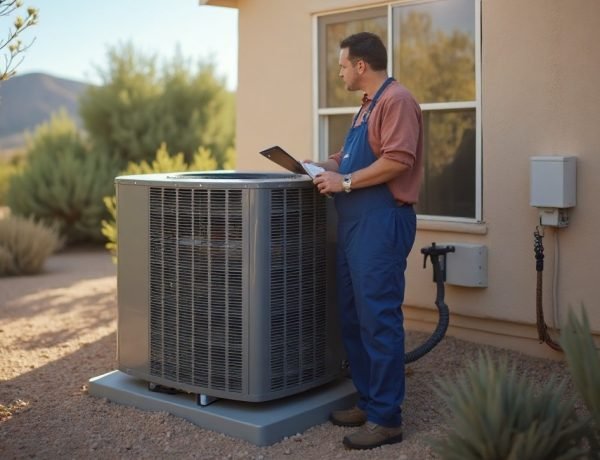
Cost, Rebates, and Brand Selection Strategy
Upfront cost depends on zone count, line set lengths, and indoor head types. Wall cassettes price lower than ceiling cassettes or slim ducted units. Inverter systems from Trane, Lennox, Carrier, Mitsubishi Electric, Daikin, Rheem, and Goodman cover a range of budgets and features. Utility rebates vary by season and by efficiency tier. The best value often comes from a mix: a high-efficiency outdoor unit paired with basic, quiet indoor heads in secondary rooms and a premium, low-profile cassette in the great room.
Owners who plan to sell within five years often choose brands with strong buyer recognition and keep commissioning records. Those who plan to stay longer focus on serviceability and filter access in daily life. Air Control Services walks through both paths during estimates and shows how each option affects energy use and maintenance time.
How This Ties to Google Map Pack Needs and Local Reliability
Homeowners tend to search for an HVAC contractor Picacho Hills NM when heat waves arrive or a system fails. Map Pack visibility helps connect urgent needs with a nearby, qualified crew. Local signals in reviews often mention the same checkpoints described here: fast arrival to 88007 addresses, familiarity with the winds off Picacho Peak, and clean installs that respect stucco finishes. The service process reflects that local fluency. The goal is consistent performance during June through September, steady heat in January nights, and clean airflow during spring winds from the valley.
FAQ: Technical Questions Picacho Hills Owners Ask
Will a mini-split keep up with west-facing glass at 4 p.m.? Yes, when sized correctly and placed to crossflow. A second head or a slim ducted unit for the loft helps stabilize temperatures without oversizing a single unit.
Do mini-splits handle winter mornings? Modern heat pumps handle most days. A dual fuel plan covers rare deep cold. The control locks in a crossover point so the gas furnace steps in only when needed.
What about dust? Routine screen cleaning on heads and a whole-home MERV strategy limit particulates. Sealed ducts and steady low-speed airflow help more than any single device.
Can a smart thermostat run the head? Use the brand’s Wi-Fi adapter or approved bridge for proper control. Mixing control systems without a plan can cause short cycling or mode conflicts.
How long does installation take? One day for a single-zone is common. Multi-zone projects run two to three days with proper pressure testing, deep vacuum, and commissioning.
HVAC maintenance Picacho Hills NM
HVAC contractor Picacho Hills NM
Air Control Services is your trusted HVAC contractor in Las Cruces, NM. Since 2010, we’ve provided reliable heating and cooling services for homes and businesses across Las Cruces and nearby communities. Our certified technicians specialize in HVAC repair, heat pump service, and new system installation. Whether it’s restoring comfort after a breakdown or improving efficiency with a new setup, we take pride in quality workmanship and dependable customer care.
Air Control Services
1945 Cruse Ave
Las Cruces,
NM
88005
USA
Phone: (575) 567-2608
Website: lascrucesaircontrol.com | Google Site
Map: View on Google Maps